about : In a world where AI technology is reshaping how we interact, create, and secure data, the stakes for authenticity and trust have never been higher. With the advent of deep fakes and the ease of document manipulation, it’s crucial for businesses to partner with experts who understand not only how to detect these forgeries but also how to anticipate the evolving strategies of fraudsters.
How modern technology identifies forged and manipulated documents
Detecting fraudulent documents now combines traditional forensic methods with cutting-edge AI and machine learning. At the most basic level, forensic analysts look for inconsistencies in ink, paper fibers, and printing techniques. Digital documents require a different set of tools: metadata analysis, examination of embedded fonts, and inspection of image compression artifacts are routine checks. Modern systems run automated pipelines that extract these signals and feed them into models trained to distinguish legitimate patterns from anomalies.
Optical character recognition (OCR) and natural language processing (NLP) convert scanned pages into structured data so that content-level inconsistencies—such as mismatched dates, improbable sequences of approvals, or irregular phrasing—can be flagged. Image forensics algorithms inspect pixel-level anomalies that indicate splicing, cloning, or AI-generated content. For example, a photo ID subject created by a generative model may have subtle asymmetries around the eyes or inconsistent background textures that a trained detector can catch.
Biometric and behavioral layers further strengthen verification: face matching between an ID photo and a live selfie uses liveness detection and anti-spoofing checks, while keystroke and interaction patterns can reveal automated or scripted submission attempts. Combining these signals into a risk score lets organizations apply graded responses—automated acceptance for low risk, manual review for medium risk, and outright rejection for high risk. Strong machine learning pipelines are continuously retrained with new fraud examples to adapt to novel attack vectors, ensuring that document fraud detection evolves alongside those trying to evade it.
Operational best practices: building a resilient defense against document fraud
Technologies alone are not enough; operational processes determine how effectively an organization resists fraud. A layered defense model begins with clear policies: define acceptable document types, set retention and verification timelines, and mandate multi-factor checks for high-value transactions. Integrating document fraud detection tools into workflows—rather than treating them as standalone checks—ensures every submission is evaluated in context. This means connecting verification outcomes to customer records, risk engines, and case management systems so suspicious items are triaged immediately.
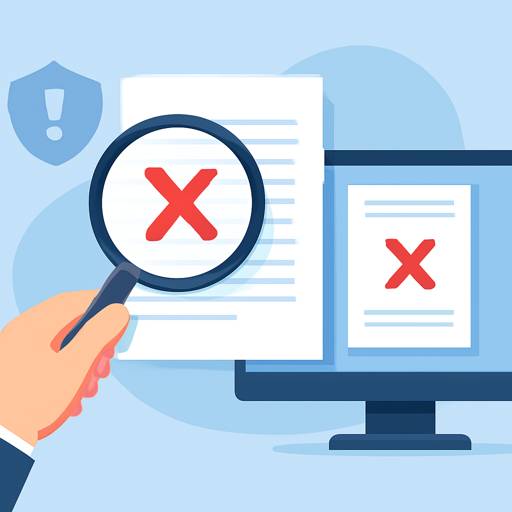
Human review remains essential. Automated systems should surface explanations and visual evidence so investigators can quickly validate or overturn a decision. Regular training for fraud analysts keeps the team familiar with new forgery methods, while playbooks define escalation paths for complex or cross-border fraud. Implementing an audit trail for every verification decision helps regulatory compliance and supports post-incident forensic analysis.
Data sharing and intelligence collaboration significantly reduce reactive cycles: anonymized fraud patterns exchanged with industry consortiums accelerate detection of emerging schemes. Finally, conduct frequent penetration testing and red-team exercises that mimic fraudster techniques, including synthetic identity attacks and manipulated documents, to validate controls. Together, technical integration, strong processes, and ongoing learning create a resilient posture that anticipates rather than merely reacts to evolving threats.
Real-world examples and emerging threats organizations must anticipate
Fraudsters constantly innovate: synthetic IDs generated by GANs, doctored corporate contracts with altered clauses, and deep fake videos accompanying forged authorization letters are already in circulation. One notable pattern is the use of layered deception—combining a slightly altered government ID with a convincingly faked supporting document and a social-engineered phone call. In such incidents, single-point checks fail; only correlated signals across multiple document types and channels expose the scheme.
Case studies from finance and hiring show how costly lapses can be. Financial institutions have reported losses when synthetic identities passed initial KYC checks because the supporting documents contained plausible fonts and plausible metadata. Employers relying solely on visual inspection have on-boarded applicants with counterfeit degree certificates. These examples underscore the need for multi-modal verification that examines not just visual authenticity but provenance, behavioral corroboration, and third-party data validation.
Regulatory trends and litigation risks also shape priorities. Jurisdictions are tightening requirements around customer due diligence and data provenance, making robust verification a legal as well as a commercial imperative. To stay ahead, organizations should prioritize partnerships with specialists who blend forensic expertise, AI research, and legal compliance. Investing in threat intelligence, continuous model updates, and cross-industry collaboration will mitigate current risks and prepare for new ones. For organizations seeking tools to fortify their defenses, evaluating platforms that focus on holistic document fraud detection—combining image forensics, metadata analytics, and human review workflows—can be a decisive step toward maintaining trust and resilience in a rapidly changing threat landscape.

A Dublin journalist who spent a decade covering EU politics before moving to Wellington, New Zealand. Penny now tackles topics from Celtic mythology to blockchain logistics, with a trademark blend of humor and hard facts. She runs on flat whites and sea swims.